
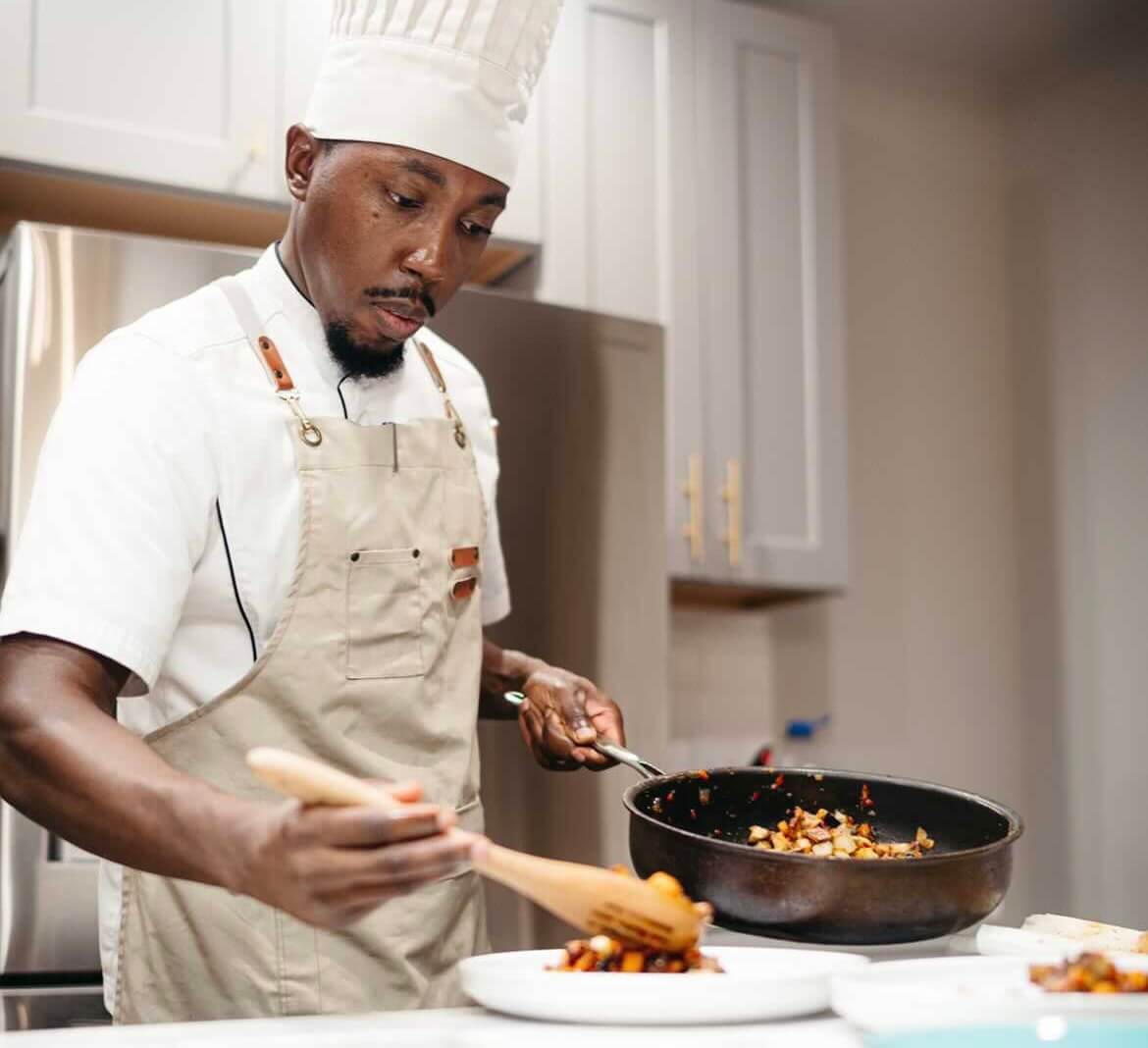

Every weekend in Uganda, thousands of events happen that all need the same thing: good food, served well, on time. Weddings, introductions, burials, corporate lunches, birthday parties, church functions — the demand for people who can cook well and manage food at scale never really slows down. For anyone with real skill in the kitchen, that’s not just a talent. It’s an income stream that’s been sitting in plain sight.
Unlike many white-collar paths, cooking and catering is one of the clearest examples of a skill that pays purely on the strength of your food and your reliability — no degree, no formal interview panel, just proof that you can deliver.
Why Cooking and Catering Gigs Are a Real Opportunity
A few things make this space particularly worth taking seriously:
- Events are constant and recession-resistant. Weddings and burials happen regardless of the economy; corporate functions and church events add a steady baseline on top.
- Word of mouth travels fast. A well-catered event is seen by dozens or hundreds of guests at once — every plate served is effectively a marketing moment.
- The entry point is low, the ceiling is high. You can start cooking for small home gatherings with minimal equipment and grow into running a full catering company with staff, vehicles, and standing corporate contracts.
- Specialization pays. General home cooking is common; skilled pastry work, specific cuisines, or large-scale event catering logistics are far rarer and priced accordingly.
Where the Gigs Actually Are
Home and Small Gatherings
Birthday parties, small introductions, family functions. Lower pay per gig, but a good entry point to build a reputation and a portfolio of photos and referrals.
Weddings and Introductions
Among the highest-paying catering gigs in Uganda, often booked months in advance with sizeable guest counts. These require the ability to plan and execute at scale — food quantities, staff coordination, and timing all matter as much as taste.
Corporate and NGO Functions
Offices, conferences, and workshops regularly need catering, often on a recurring basis. These clients tend to value consistency, professionalism, and proper invoicing over the cheapest quote, and repeat contracts are common once you deliver well.
Burials and Memorial Functions
A significant and steady source of catering demand in Uganda, often arranged quickly and at short notice — cooks and caterers who can mobilize fast and cook in bulk under pressure are especially valued here.
Specialty Baking and Pastries
Cakes, snacks, and pastries for events and everyday sale are a growing niche of their own, often run alongside general catering or as a standalone business.
Private Chef and Meal Prep Services
A newer but growing segment among busy professionals and families in urban areas — cooking daily or weekly meals for a household, often on a retainer basis rather than a one-off gig.
Building Kitchen Skills Into Real Income
1. Get Real Practice, Not Just Home Experience
Cooking for your own family and cooking for 200 wedding guests are different skills entirely — quantities, timing, and consistency at scale take practice. Start by assisting an established caterer on a few jobs, even unpaid at first, to learn the logistics side most home cooks never encounter.
2. Pick a Specialty
“I cook everything” is a hard sell in a crowded market. “I specialize in traditional Ugandan wedding menus” or “I do continental catering for corporate events” gives clients a clear reason to choose you over a generalist.
3. Document Every Job
Photos of your food, the setup, and happy clients are your most valuable marketing asset — far more persuasive than a written description alone. Ask permission to photograph events and build a simple portfolio you can share on WhatsApp or social media.
4. Get Comfortable With the Business Side
Costing a menu accurately (ingredients, gas, transport, staff, wastage) is what separates a caterer who profits from one who just breaks even. Always quote with a clear per-head or per-event price, and build in a margin — not just a “let me see what it costs me first” guess.
5. Invest Gradually in Equipment
You don’t need commercial kitchen equipment on day one. Start with what you have, reinvest early earnings into bigger pots, warming equipment, and eventually transport, so you can take on larger events without renting everything each time.
6. Build a Small, Reliable Team Early
Even a two-person catering operation benefits from having one or two people you can call on for bigger events — serving staff, an extra cook, someone to handle logistics. Clients notice when service runs smoothly, not just when food tastes good.
7. Get a Basic Food Handling Certificate
It’s not a legal requirement everywhere, but a food safety or hygiene certificate from a recognized short course reassures corporate and NGO clients in particular, and can be a genuine differentiator when quoting against uncertified competitors.
Pricing Cooking and Catering Work
- Per-head pricing is the most common and easiest for clients to understand — quote a price per guest based on the menu, and make sure it covers ingredients, gas, transport, staff, and your margin.
- Package pricing works well for weddings and large events — bundling food, serving staff, and equipment into tiered packages (basic, standard, premium) gives clients options without you having to negotiate every line item.
- Retainers suit recurring private chef or office catering work — a fixed weekly or monthly fee for a set number of meals or days.
- Always request a deposit. In an industry where ingredients must be bought upfront, a 40–50% deposit before the event isn’t just standard practice — it protects you from absorbing losses if a client cancels late.
The Bottom Line
Cooking and catering rewards exactly what you’d hope it would: good food, reliable delivery, and a clear specialty — nothing more, nothing less. For anyone with genuine kitchen skill, Uganda’s steady stream of weddings, corporate events, and everyday functions offers a real, scalable path from cooking for family and friends to running a business that pays consistently.